Theskillsthatmadethemyourbestengineerwillnotmakethemyourbestleader.
You promoted the right person. Now they are measured on a skill set nobody described to them, while the technical work that made them visibly valuable has quietly left their week.
I have been on both sides of it. Not because I studied this, but because I ran engineering organizations for twenty years and had other leaders send me their people.
“He taught me how to think like a leader.”
Jon Lacey · Cross Functional Test Manager
“He taught me how to think like a leader.”
Joe had a profound impact on my growth as a leader and professional. He taught me how to think like a leader, how to work across organizational boundaries and most importantly, how to influence people through trust, credibility, and collaboration. What truly sets him apart is his ability to connect with people on a personal level — a great listener and a fantastic mentor who genuinely cared about the success of those he managed.
Jon Lacey
Cross Functional Test Manager · StorageTek and Sun Microsystems
Worked with Joe 2004–2009
“Someone I continue to confidently lean on for guidance.”
I have had the pleasure of working under Joe's leadership, which is grounded in a deeply people-centric approach that starts with building the right foundation. Throughout high-pressure moments and ambiguity, Joe led with calm, thoughtful, and deep respect of the team, creating a sense of trust and stability even during chaos. I would highly recommend Joe as a mentor and leader, someone I continue to confidently lean on for guidance.
Nimisha Morkonda Gnanasekaran
Director, Data Science
Written March 2026
“A mentor-like role that helped me develop professionally as an engineer.”
Working with Joe was a great and rewarding experience. During my time at ScaleFlux I had the pleasure of working with Joseph to discuss the test cases that were going to be incorporated into the Manufacturing Acceptance Tests from the ground up. Joe not only made my stay at ScaleFlux a rewarding experience, but also provided a mentor-like role that helped me develop professionally as an engineer.
Edwin Garcia
SSD Software Engineer, Solidigm Technologies · Worked with Joe at ScaleFlux
Written 2023
Seven recommendations, written between 2006 and 2026, by people who worked for Joe at StorageTek, Sun Microsystems, Fusion-io, SanDisk, Western Digital and ScaleFlux.
You might be in the right place if…
The transition from technical expert to leader isn't just a skills gap — it's an identity shift. Most people try to solve it with the same tools that made them successful. Those tools don't work here.
The inflection point isn't about headcount. It's when your org grows beyond the trust networks into stranger territory — and the culture you had organically starts to fray.
See how I can help →- You're a CEO, CTO, or VP of Engineering at a 20–50+ person tech company
- Your org has grown beyond the people you hired and trusted — and things feel different now
- You built your career on being the smartest person in the room, and now that's not enough
- You've got people problems but you keep trying to solve them with a technical mindset
- You haven't named it yet, but something in the culture isn't working
Inside-Out Leadership™
Most leadership programs start with behavior. Inside-Out Leadership starts with identity — who someone is as a leader before what they do as a leader. The change lasts because it comes from within, not from a manual.
Name the Real Problem
Most leaders know something is wrong before they can say what. We start by making it concrete — a structured diagnostic that gives them language for what they have been feeling.
Build from the Inside Out
Technical AND people. Not OR. They don't have to give up their technical identity — they build on top of it. The work develops the self-awareness and communication skills that make leadership stick.
Create Systems That Last
Every engagement ends with repeatable systems your team owns. Culture built on clarity, not compliance. The goal is never dependency — it's durability.
Start with the pain. End with the result.
Every engagement starts with understanding what is actually happening in your organization. Here are the pain points I help leaders solve.
Culture & Engagement
- →Best people are burning out, quitting, or going through the motions
- →Engagement is low, recognition is weak, psychological safety is thin
- →A key employee looks likely to leave
Communication & Alignment
- →Team is pulling in different directions; priorities are unclear
- →Information stays in the founder's head or small inner circle
- →Managers avoid conflict and hard conversations
Role Clarity & Accountability
- →Nobody knows who owns what; decisions keep coming back to founder
- →One team has friction, duplication, and handoff confusion
- →Managers either micromanage or avoid accountability
Hiring & Developing People
- →Wrong hires, weak onboarding, no real manager bench
- →First-time managers are overwhelmed and reactive
- →Top operator promoted to supervisor without support
- →Good people are leaving because growth, recognition, and retention are weak
Delegation & Founder Freedom
- →Founder cannot let go; team cannot decide without them
- →Founder is holding too many tasks and decisions
Burnout & Energy
- →Founder is always behind, always tired, always on
- →Founder is stuck in the weeds and needs rapid clarity
Scaling Pain
- →What got us here won't get us there; growth is breaking what used to work
- →Company needs people, leadership, and communication infrastructure for the next stage
- →Company needs ongoing senior people leadership without full-time CPO cost
If any of these sound familiar, the next question is what actually gets done about it.
You send me someone worth keeping. Here is what happens next.
Every engagement starts with a conversation, not a sales call. If it is not the right fit, I will say so and point you toward what is.
The shape
Two to three months
For someone whose instincts are already good but who is drowning in the demands of scale. They read people well. What they need is structure, rhythm, and a way to tell the urgent from the important.
Six months or more
For someone who rose entirely on technical strength and now leads a team with no formal people experience. Everything above, plus the foundations — communication, trust, conflict, feedback, and learning to lead through others rather than through their own expertise.
Ongoing
Some companies keep me on monthly once the first engagement ends, to bring each new Director and VP through the same process. Scoped to the company.
Both run the same way — weekly, one to one, sixty minutes.
How the work runs
- 01
Discovery
Where the company is going, what is actually hard, what has already been tried and why it did not work. You are part of this one. It is a conversation, not an intake form.
- 02
Diagnosis
Most people arrive with a presenting problem. The real one sits underneath it. This is where the gap gets named — skills, clarity, systems, or self-awareness. You cannot change what you cannot see.
- 03
Direction
We define where “there” is, specifically and concretely. Not a generic leadership ideal — your definition of what good looks like on your team. They are the architect. I am the thinking partner.
- 04
Development
The weekly rhythm, where the work actually happens. Every session: what did you accomplish, what is weighing on you, what will you commit to before we meet again. The assignment is chosen together, never handed down.
- 05
Accountability
The plan is theirs because they built it. My role is to partner, not to supervise — available between sessions, but not hovering.
What you get back
- Someone who leads with intention instead of reacting
- A team that no longer needs you in every room
- Someone who knows the difference between managing tasks and leading people, and is doing both
- Fewer of their people problems landing on your desk
- A person you can promote again
What this is not
It starts with twenty minutes. No pitch — a real conversation about where they are, where you need them to be, and whether I am the right bridge between the two.
Book a Free 20-Minute Call →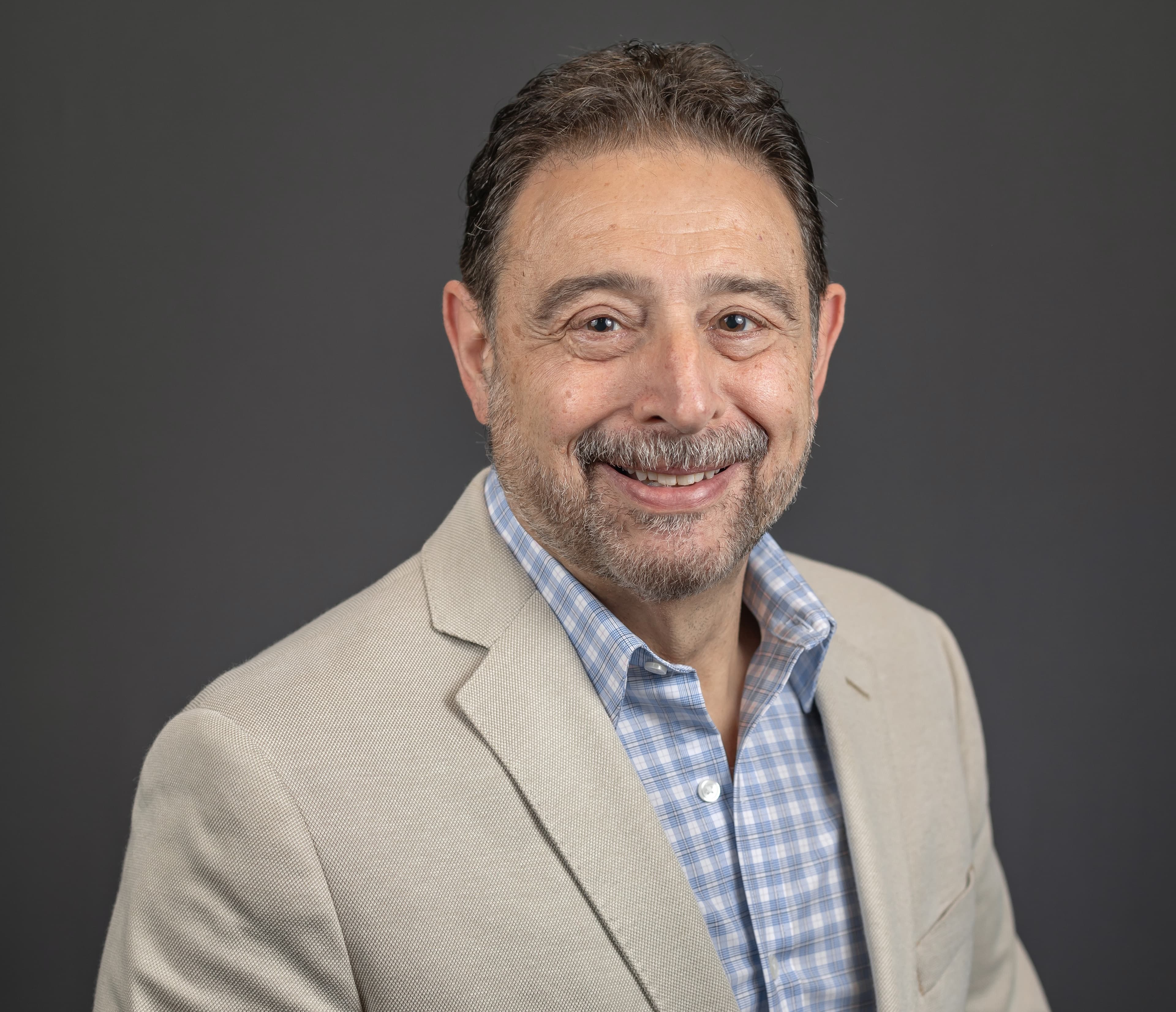
Joseph Diele
Engineer-turned-Leader · Operator · Author
35 years across 9 companies — from engineer to CTO. I've lived the transition your best technical people are facing, and I know exactly where it breaks down. I help them close the gap between what got them here and what it takes to go further.
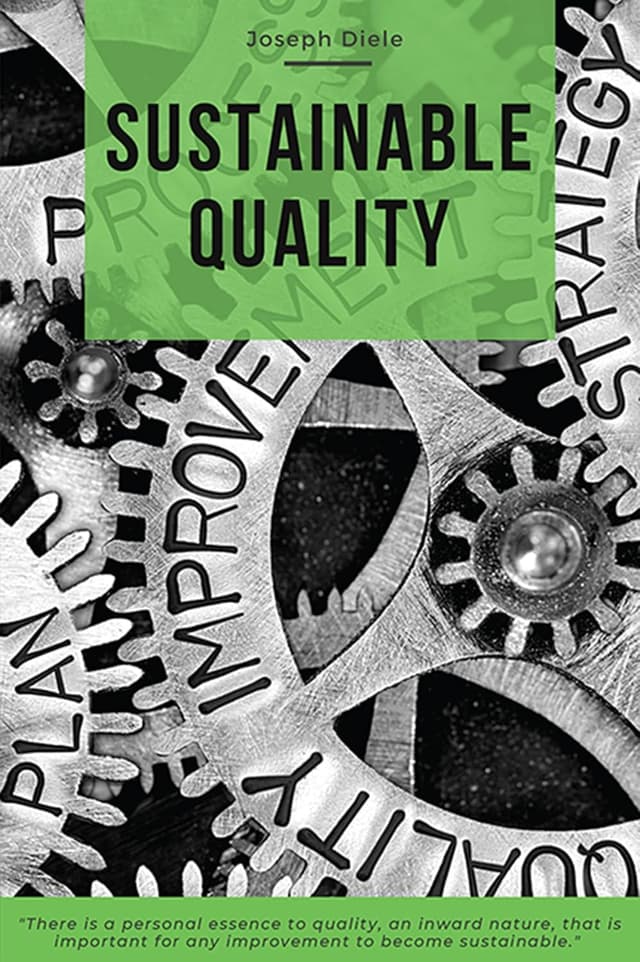
Business Expert Press
Published 2021
The intellectual foundation of every engagement.
"There is a personal essence to quality, an inward nature, that is important for any improvement to become sustainable."
Sustainable Quality argues that most improvement efforts fail not because of flawed tools — but because organizations skip the culture work required to make change stick. The same principle drives every engagement.
Get the Book on Amazon→Ready to find out where the gaps are?
Start with a People & Culture Rapid Assessment. A focused diagnostic that gives you clear language for what's broken — and a prioritized path forward.
Flat fee. No retainer required. You'll walk away with a written report and a clear next step.